
The State of AI 2026
Scaling Trust, Control, and Readiness in the Agentic Era

AI Has Outpaced Governance. The Data Proves It.
AI assistants are creating content. AI agents are taking action. And most organizations have no reliable way to govern either one. AvePoint surveyed 750 IT, security, and AI leaders across the globe, and the findings are clear: The defining challenge of 2026 isn’t AI adoption – it's whether your governance, visibility, and controls can keep up.
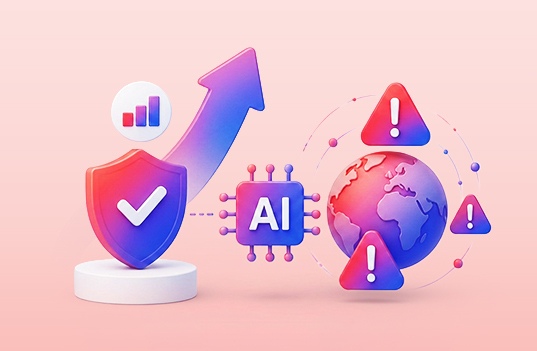
Confidence is high. Incidents are still widespread.
More than 4 in 5 organizations are confident they can prevent unauthorized data access. Yet among confident organizations, AI-related unauthorized access incidents still affect 62% to 72% of respondents. See why confidence is not the same as control.

Security and Privacy Concerns Cut Across Every Form of AI
Data security and privacy are the top concerns for both generative AI and AI agents. Securing data used for AI training is also the top future investment priority, cited by 4 in 5 organizations. Discover why AI value depends on data readiness, governance, and control.

Agent Visibility Is Breaking Down
Up to 1 in 5 organizations do not know whether employees are using unsanctioned AI tools. For generative AI, that figure has nearly tripled since 2025. Get the data behind the growing AI visibility gap.

AI Deployments Are Being Delayed by Readiness Gaps
Nearly 9 in 10 organizations delayed both agentic and generative AI deployments by an average of almost six months. Uncover why AI delays are structural – not just technical.
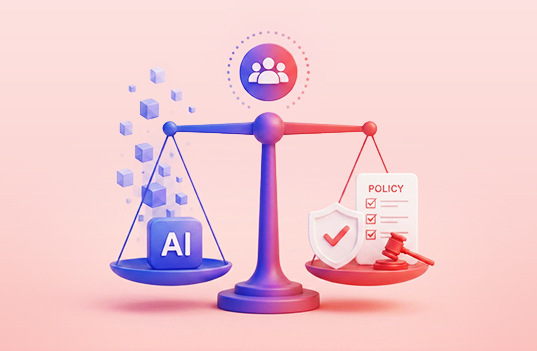
AI-Generated Data Is Creating a New Governance Challenge
35.5% of enterprise data is already AI-generated, and respondents expect that share to reach 42.1% within 12 months. Explore why governing AI now means governing what AI creates.

Agent Adoption Is Outpacing Readiness
Nearly half of employees rely on AI agents weekly or daily. Yet nearly 9 in 10 organizations experienced at least one agent-related security incident in the past year. See what changes when AI moves from generating outputs to taking action.
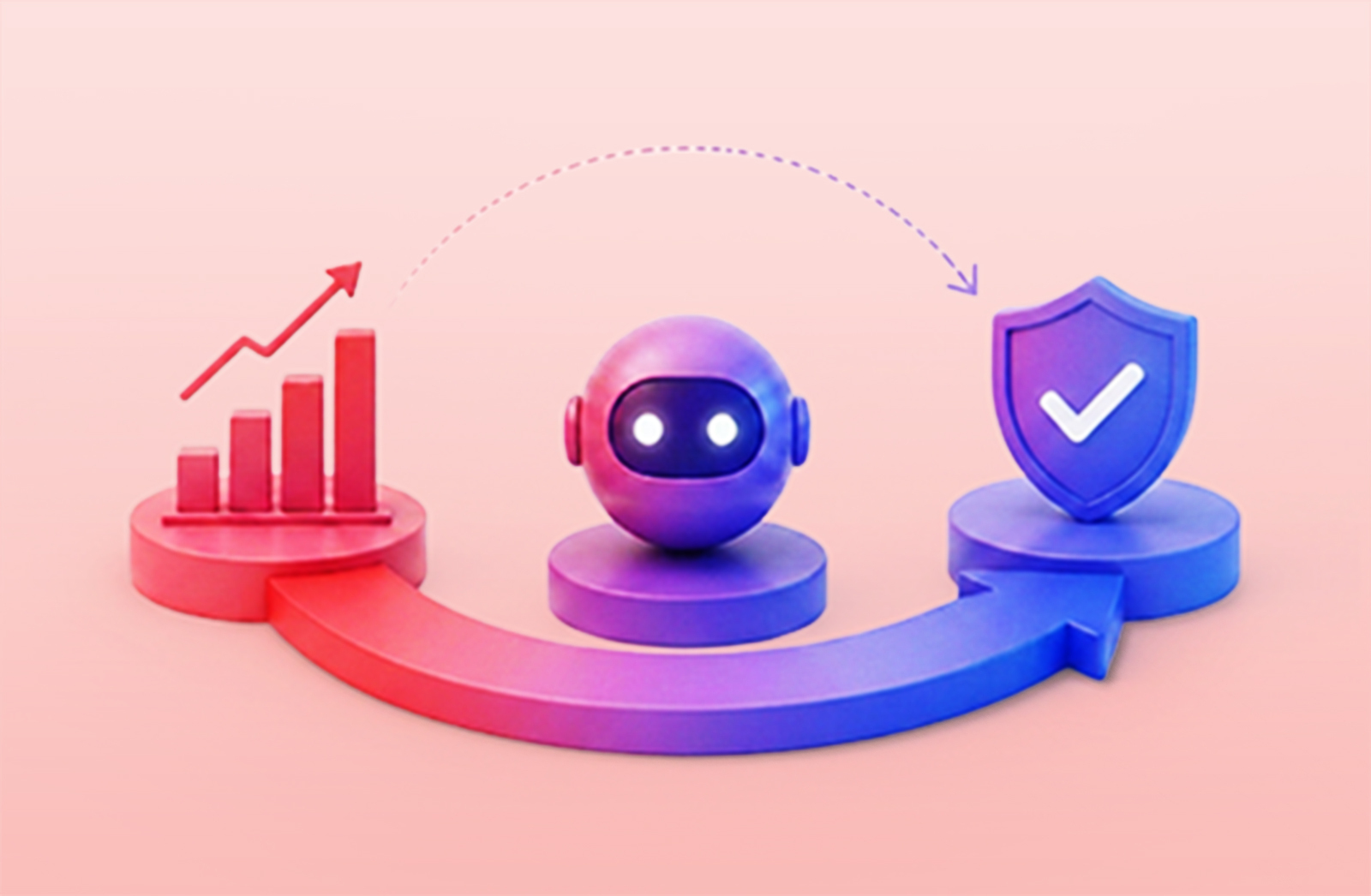
Investment Is Moving Toward Agent Governance
Third-party governance tools that monitor agent actions for policy alignment top the planned investment list for the next 12 months. Find out why a unified Agent Management Platform for visibility, lifecycle governance, and policy enforcement is becoming essential for AI agents.
Trust Isn’t a Belief – It's an Outcome
Confidence without enforcement isn’t trust – it's exposure. The organizations scaling AI successfully aren’t the ones that believe their governance is strong enough. They’re the ones that can prove it. Visibility. Enforceable controls. Lifecycle management. That’s what turns AI adoption into AI trust at scale.
See how 750 IT, security, and AI leaders are closing the gap between AI adoption and AI operational governance.
Frequently Asked Questions
86.9% of companies have delayed AI deployments because their data security and governance weren't ready, not because of budget or buy-in, according to AvePoint's State of AI 2026 report.
82.7% of leaders say they're confident they can prevent unauthorized data access, but nearly 9 in 10 of those same companies were breached, according to AvePoint's State of AI 2026 report. The gap between confidence and enforcement is where most AI risk sits.
AI assistants and copilots generate content, while AI agents execute tasks, trigger workflows, and make decisions on their own. According to AvePoint's State of AI 2026 report, 46.9% of employees already use AI agents regularly, which creates a governance challenge that content-focused controls don't address.
